We’re in the home stretch at #gates50states, beginning 2026 at thirty-nine on the count, and we’ve had to get strategic with how we’re going to finish. A couple of factors emerged over the past couple of years that impact how we intend to reach our goal. First, Lincoln is heading off to college this autumn and his career choice has been coming into focus. He intends to pursue actuarial science, and this comes with some pretty rigorous requirements both during the school year and over summers. In an effort to preserve the summers toward the middle and end of his college years for internship opportunities, we began considering what it’ll take to finish our project in the summer of 2027.
Second, our work situation and the demands of our business have not slowed down since the onset of the Covid era, and our goal of achieving professional certainty remains elusive in the short term. We’ve been covering many more clinical hours in recent months than previous months, and we wonder just what will be required of us in the months and years to come. This, too, led us to consider completing our project next summer.
But at the same time, we don’t want to shortchange either the remaining states or our kids (or ourselves!) as we finish. This year, we tackled the remains big flights, Minnesota & Alaska, and combined them into one.
We flew from Cleveland to Minneapolis, picked up our rental car, and hit the road for Bemidji in the north-central portion of the state. Minnesota is a big agricultural state, with lots of crop farming, and we saw a lot of it on our drive. It appears wherever there isn’t farm land in the vast acreage there is wilderness of forest and lakes. You may have heard they’re the “Land of 10,000 Lakes.” We saw a lot of that, too.
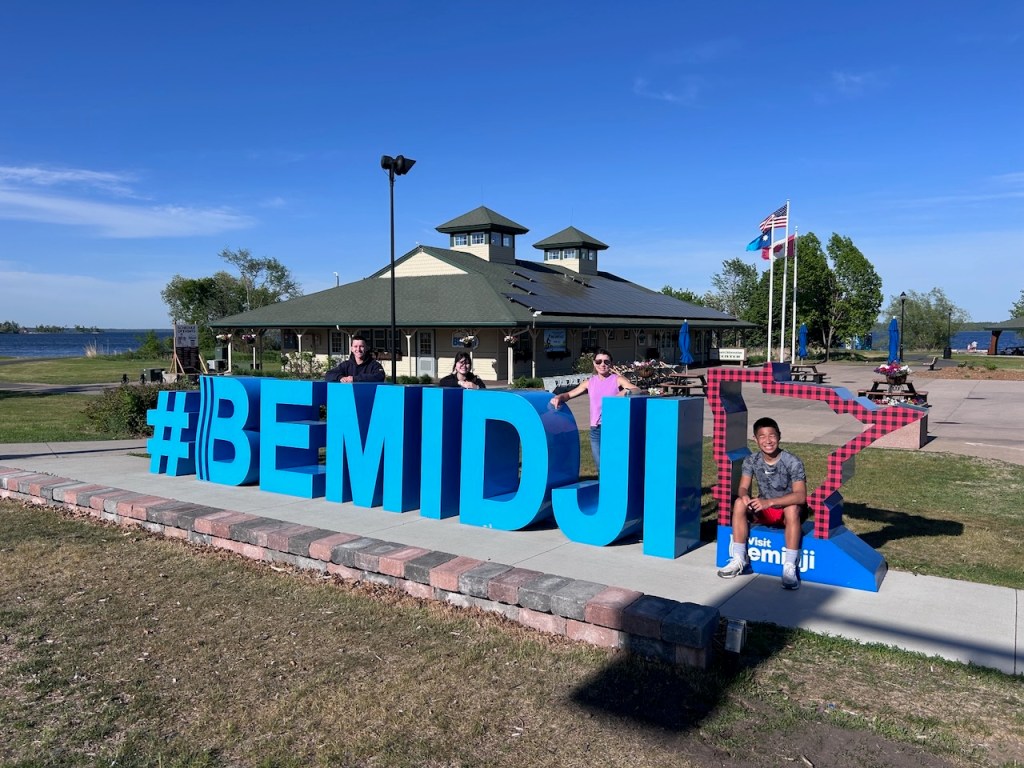
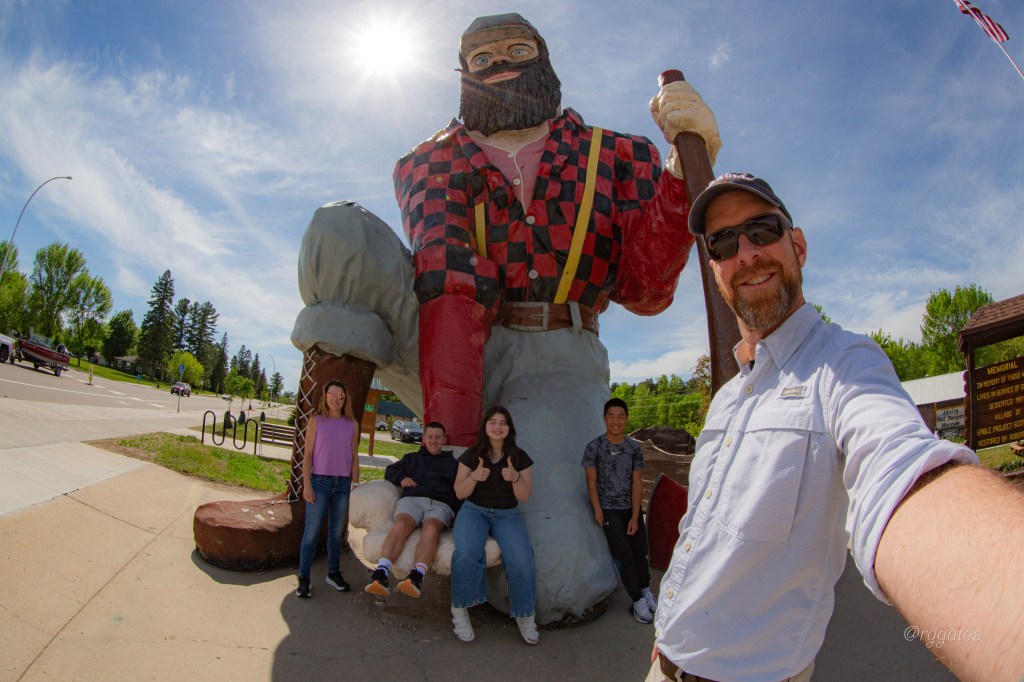
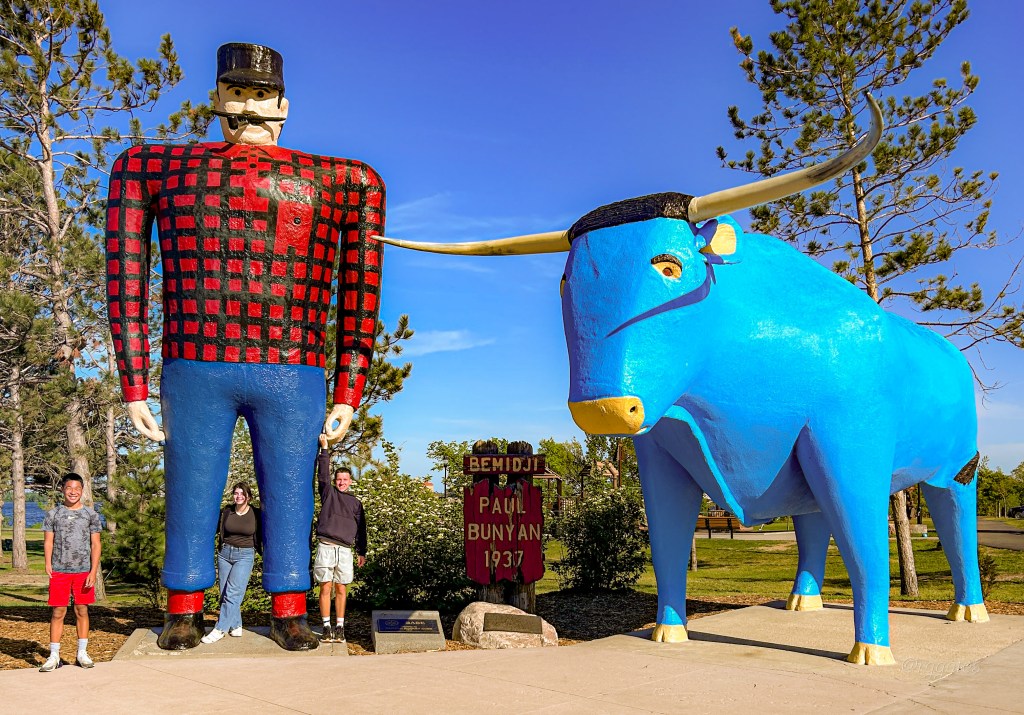
Many months ago, when we began really looking into Minnesota, I noticed on a number of visit Minnesota-themed websites the variety of Paul Bunyan statues around the state. I knew we’d not have sufficient time to make a driving tour of them all. Also, given our work schedule, I’d lost track of digging into itinerary-planning… we were visiting with less planning ahead than we preferred. So it was pretty cool to see as we approached our first lodging of our trip not one but two Paul Bunyan statues! Of course we had to get some photos with them, and that prompted some brief research, led by Lydia, into the history and lore behind Bunyan and his big blue ox.
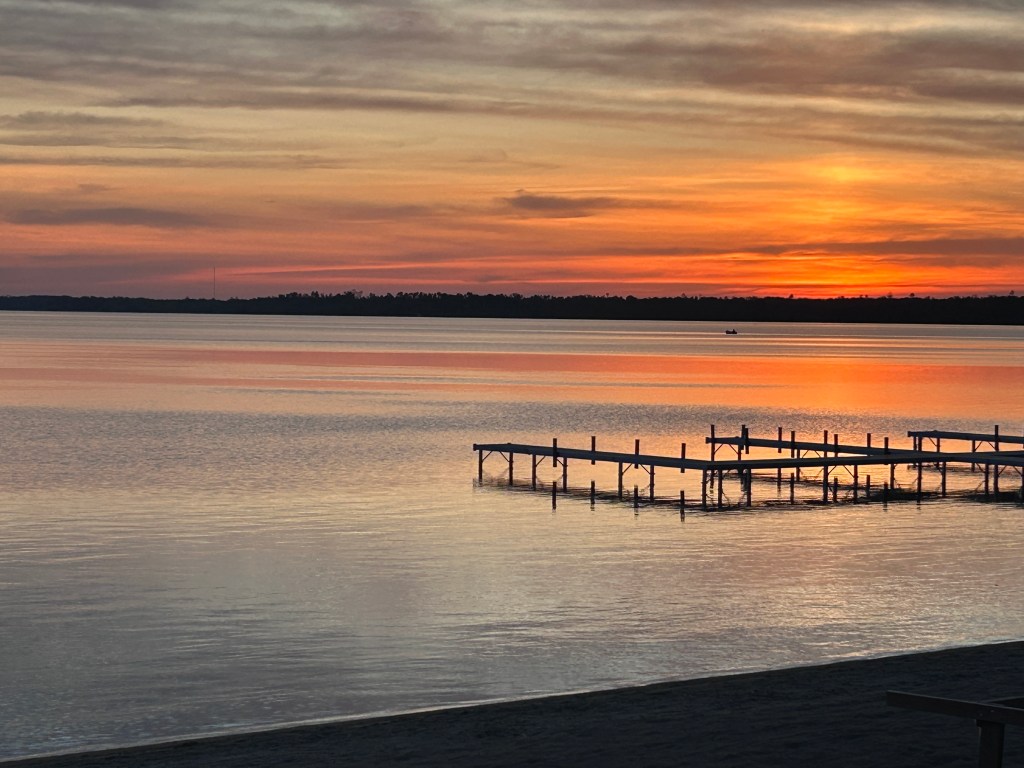
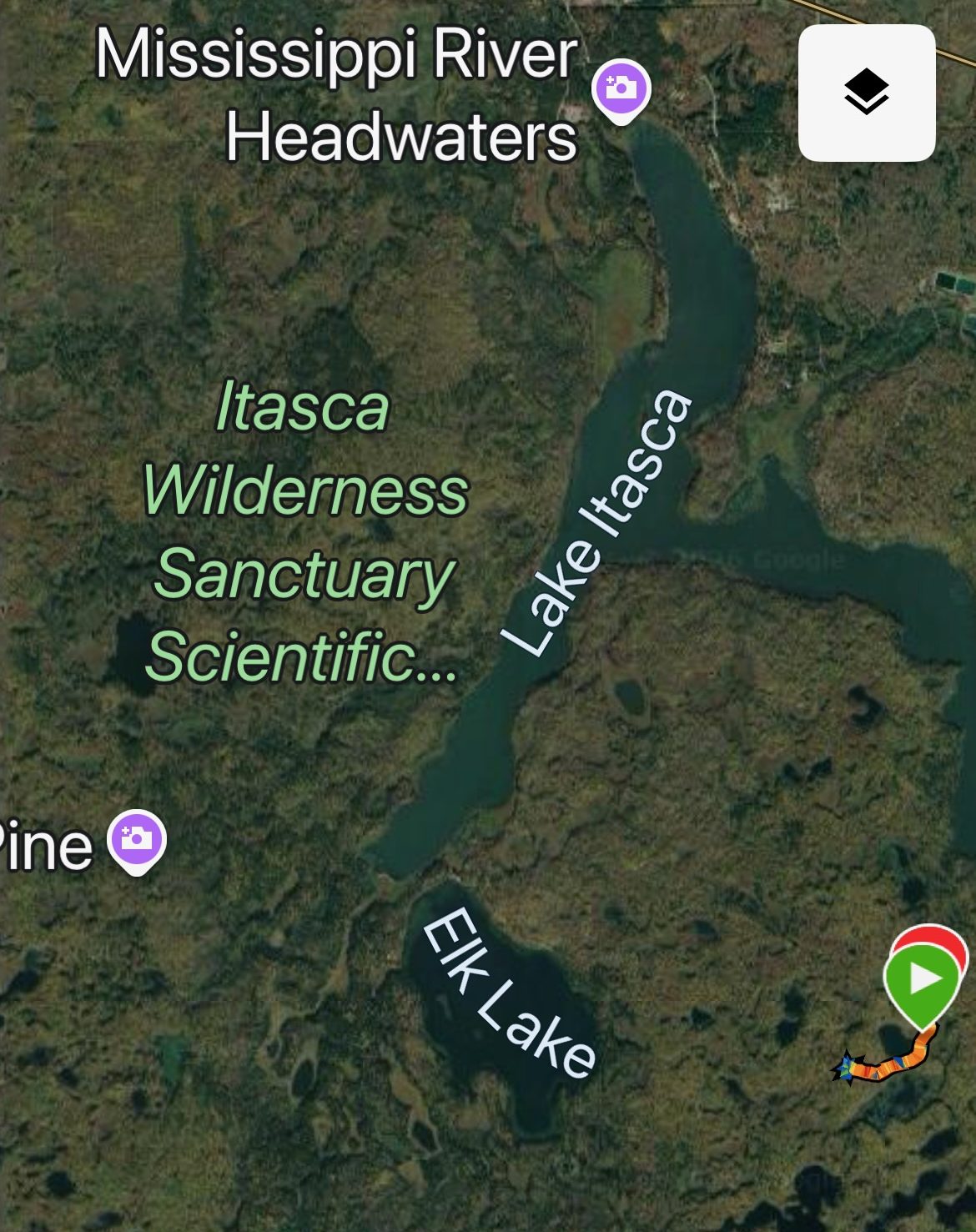
The SouthShore Hotel on Lake Bemidji was very pleasant and provided good sleeping arrangements, a key factor for our family of five when it comes to hotel overnights. Lake Bemiji, part of the Mississippi River, is a decent sized lake that gave us a pretty sunrise on our first Minnesota morning. We then backtracked some as we went to Itasca State Park, home of the Mississippi River headwaters.
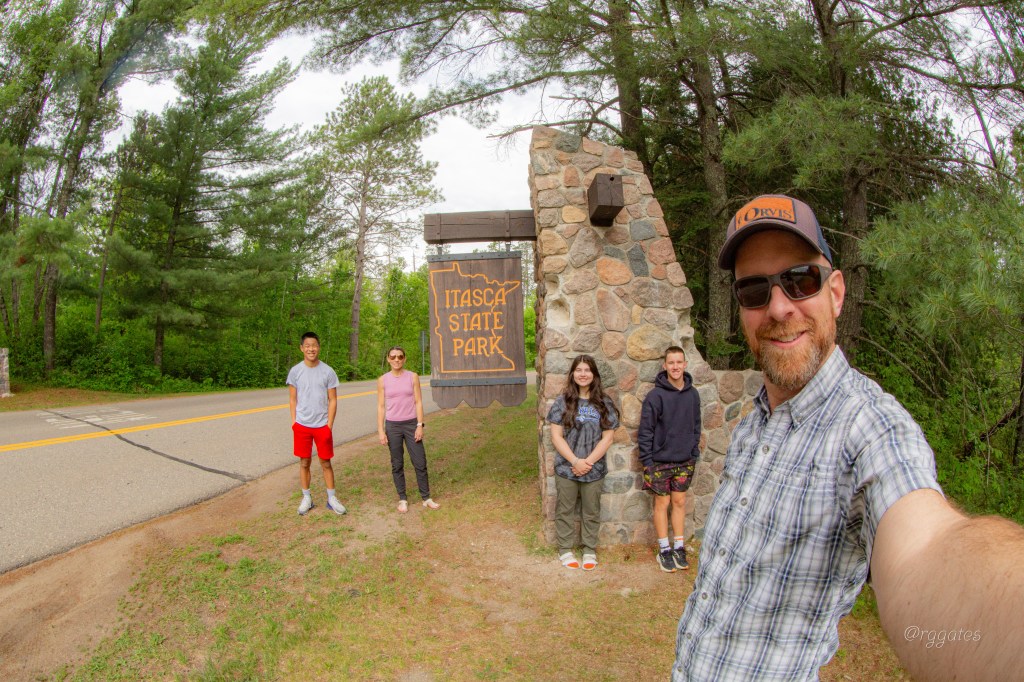
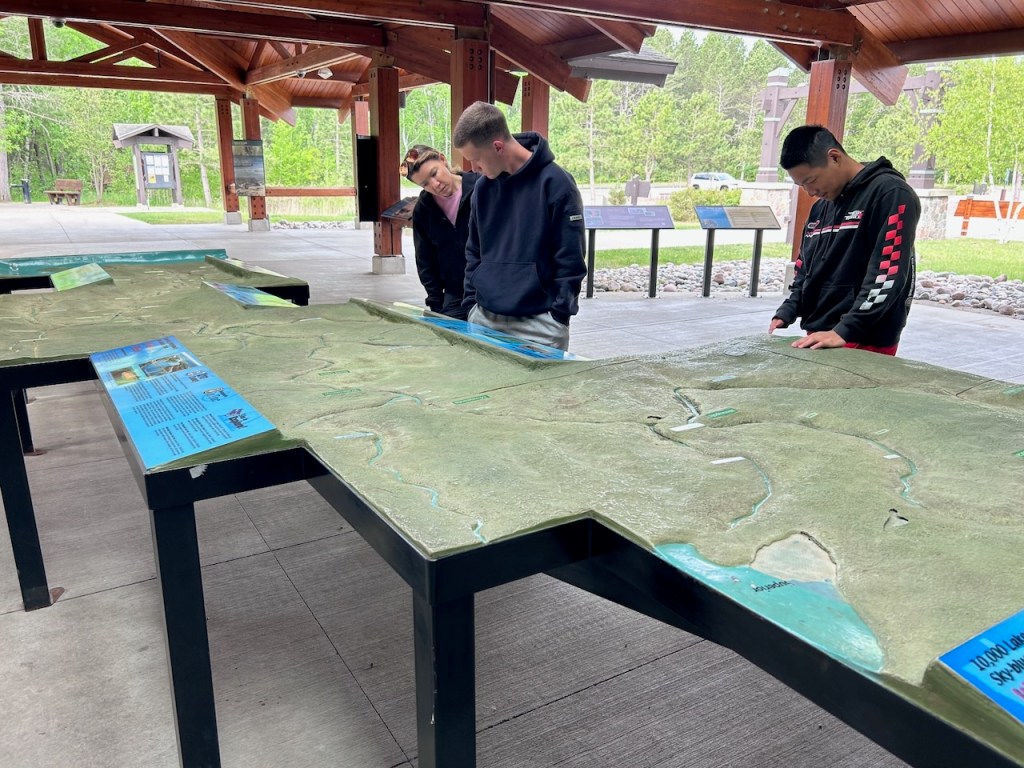
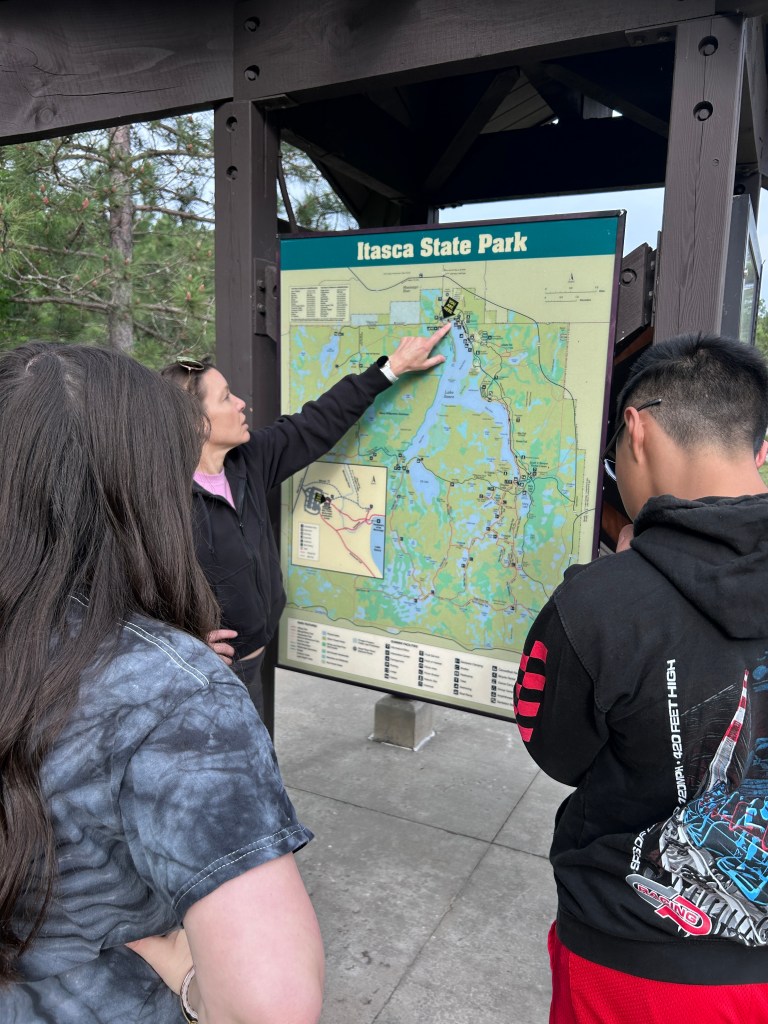
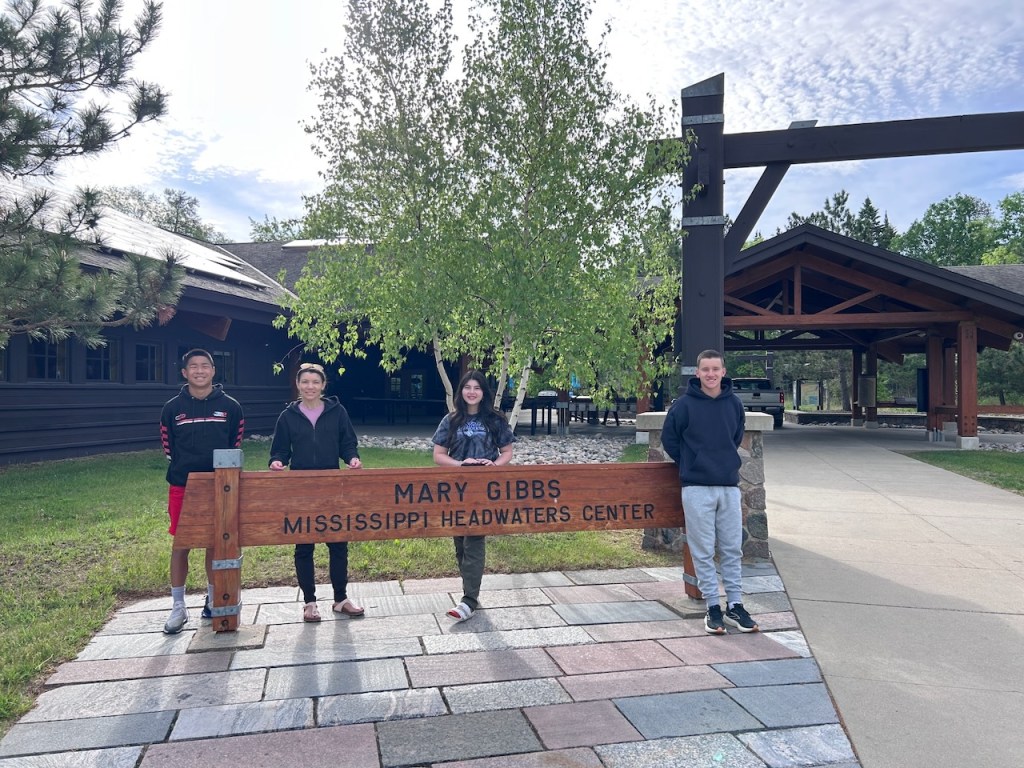
The Mississippi River has played a theme across a number of our travels over the years. National Mississippi River Museum & Aquarium in Dubuque, Iowa, is a beautiful place. We enjoyed appreciating the industrial nature of the river on our dinner cruise in St. Louis, Missouri. I read from Tom Sawyer to the kids when they were younger, and Hannibal, MO was heavy on river life with all of the Samuel Clemons/Mark Twain culture. And finally, the Mississippi River is core to New Orleans in Louisiana.
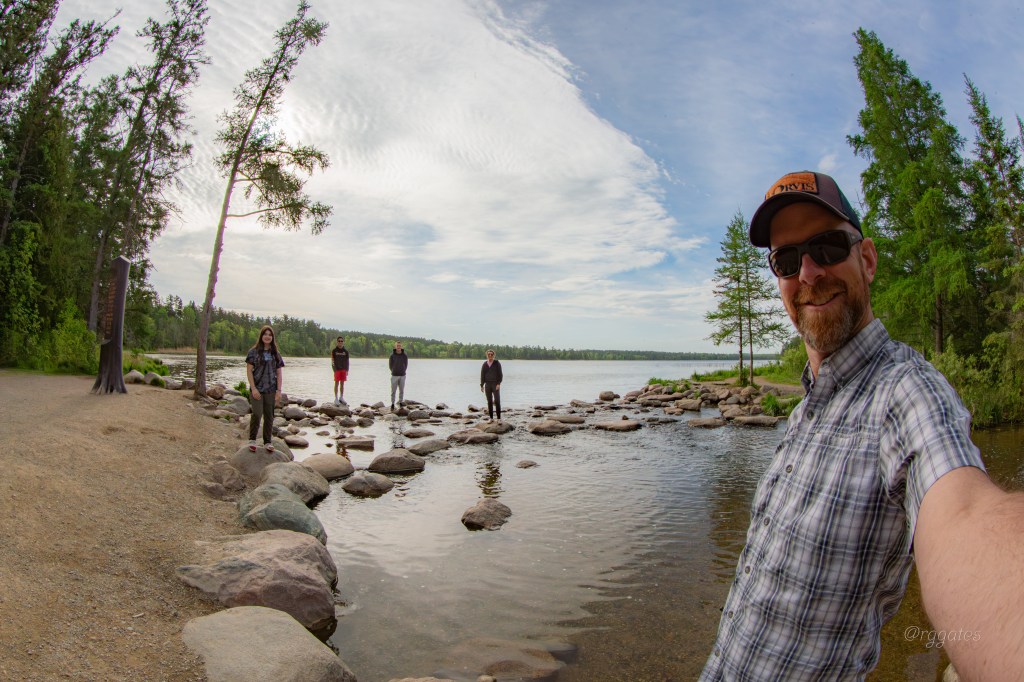
To see where it all starts, where there isn’t much more than a rippling brook over smooth rocks at the foot of Lake Itasca… it was a full-circle kind of moment. The state of Minnesota does a good job with the interpretive displays, comparing the states of the river at various points along its journey in a way that helps the visitor appreciate and marvel at just what is before him.
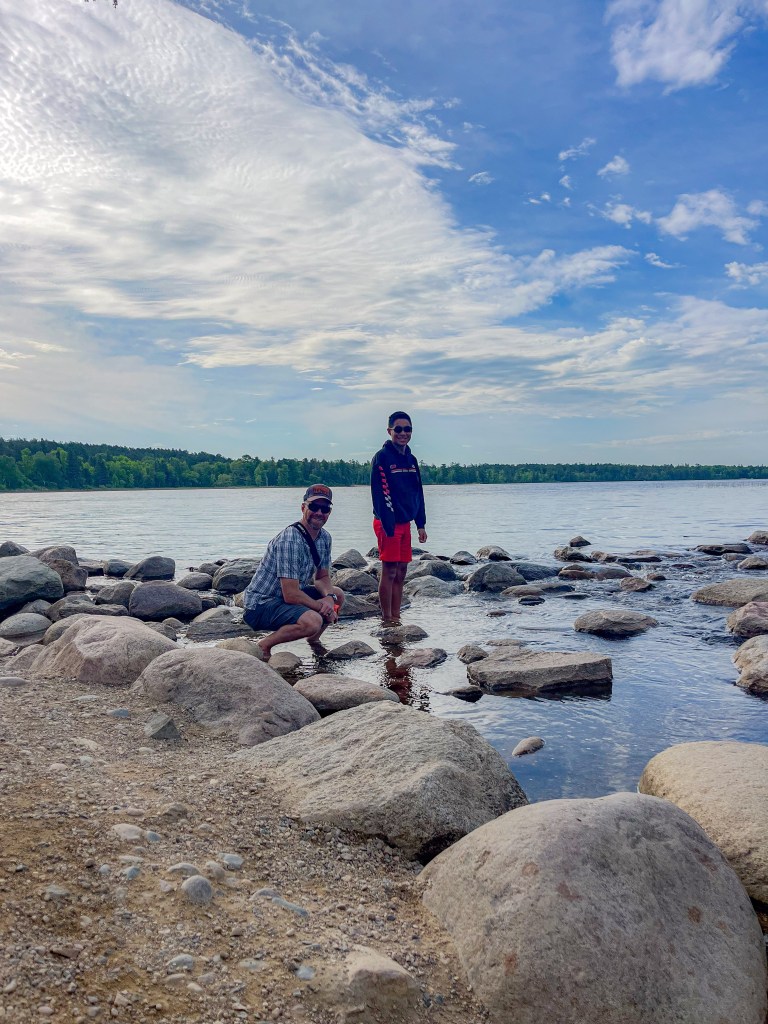
Henry and I stood in the water knowing that would be the only portion of the river we’d ever likely stand in.
I’m sure the water sports on the lake would be fun to pursue if we had the time, but we next took the scenic drive believing it might be, you know, scenic like Artists Palate in Death Valley National Park or the Seeney Wildlife Refuge in Michigan’s Upper Peninsula. We saw a lot of leaves. That was about it.
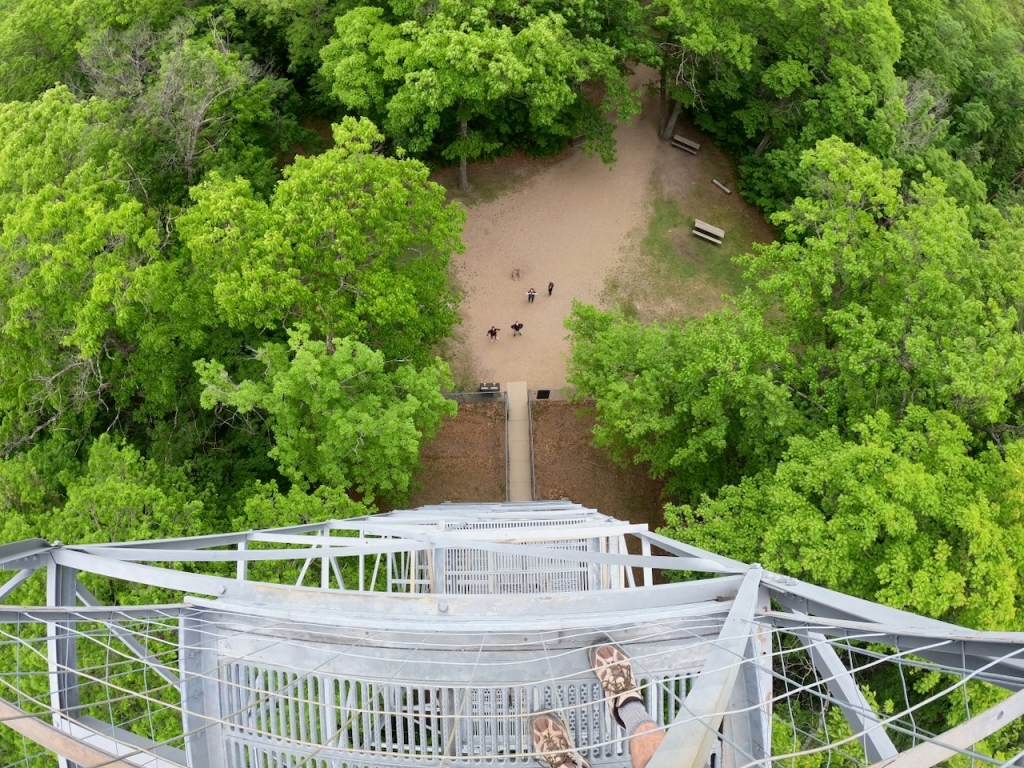
The one good thing we found on the drive was a short hike to a fire tower providing a beautiful, 360º view of the park and beyond.
Our drive from Itasca to Duluth showed us even more of Minnesota’s vast farm land and wilderness. We’ve said it over and over again: the hardest part of this whole project is saying, “No,” to so many neat things in each state. The older Lincoln gets, the more adventurous he becomes, and when we looked at some maps of the Boundary Waters and it hit him what a visit up that way would entail, he put that on his own list of Places to Visit. And we’d originally thought about going all the way up to Voyagers National Park, but most of he part is accessible only by boat, and the boating didn’t open until after our budgeted time in the state.
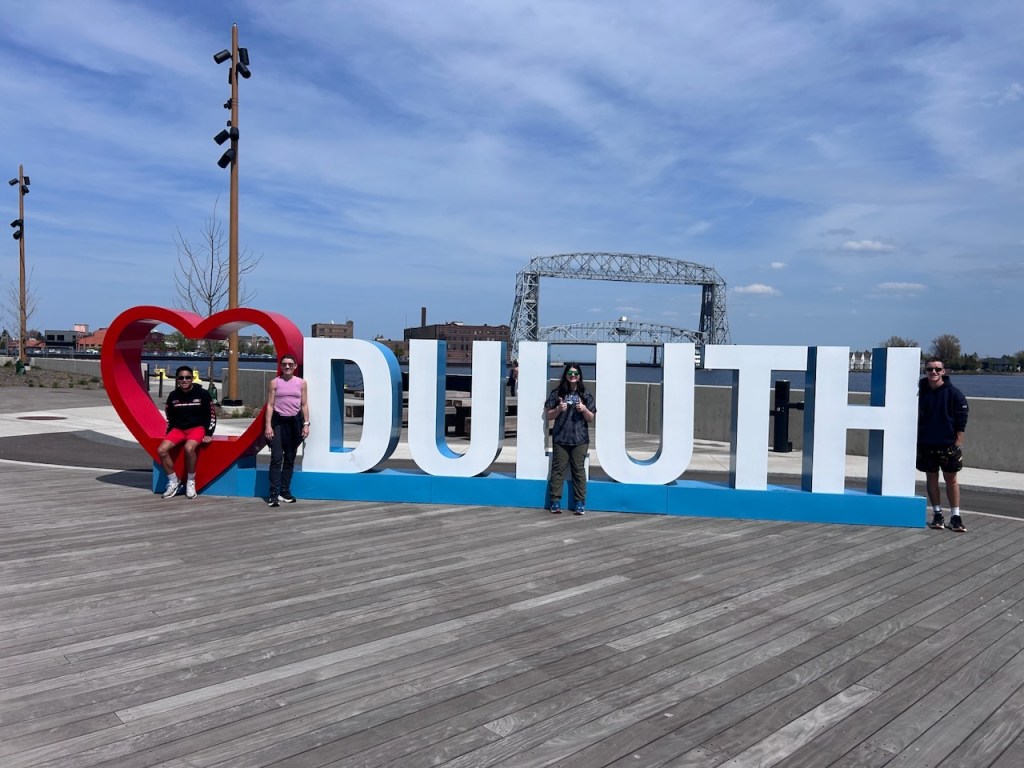
We settled on Duluth for a couple of reasons. Aside from the fact that it fit on our Minneapolis/Itasca loop, it also completed the loop on some of our Lake Superior experiences from Michigan’s UP. We knew it was big, we knew it was cold, and we knew it was an important commercial shipping lane, having visited the Soo Locks at Sault Ste. Marie.
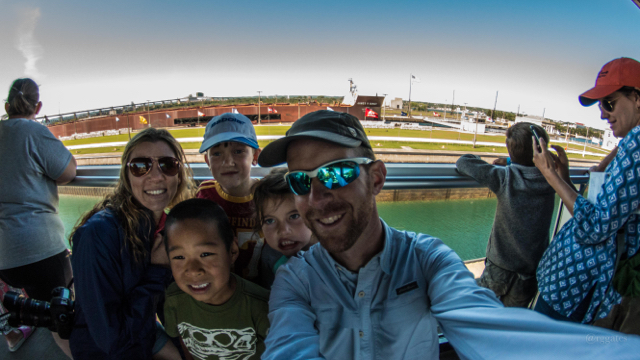
Duluth is where it all of the eastbound trade on the Great Lakes starts, where product from minerals to grains from Montana, Idaho, the Dakotas, and Minnesota arrive by rail, fill up the hulls of massive ships, and head to ports from Chicago to Toledo to Egypt.
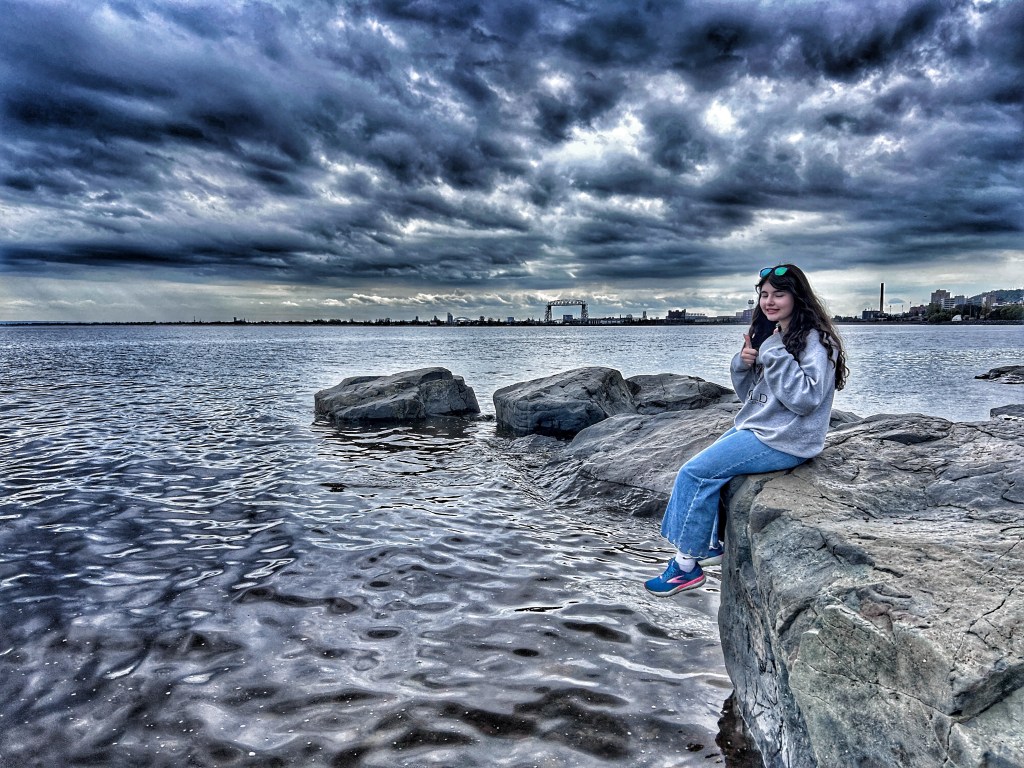
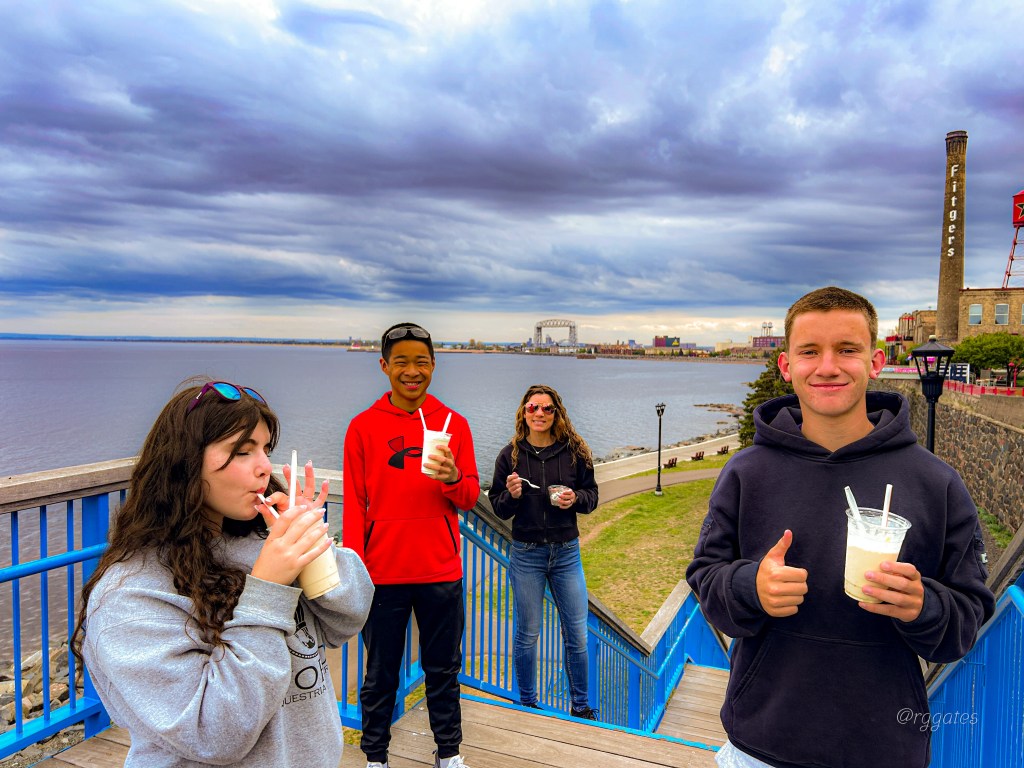
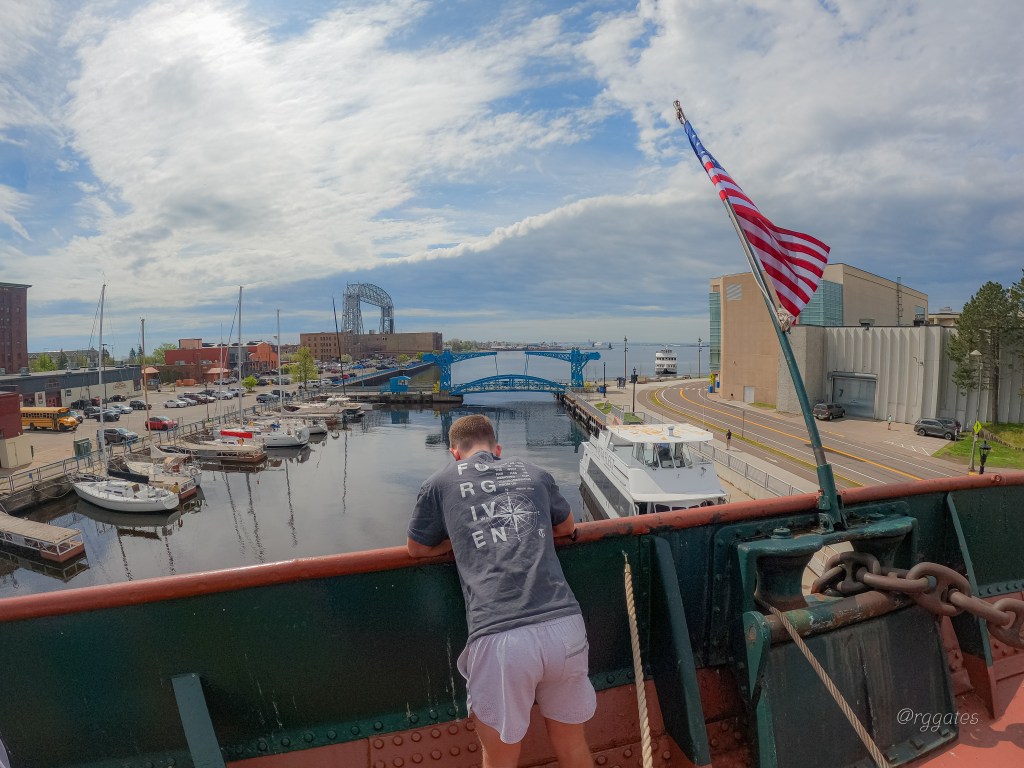
The Aerial Bridge isn’t terribly pretty from an artistic standpoint, but its purpose is plain as day, and it dominates the Duluth skyline. We got an up front view from our stay at the Lift Bridge Lodge in Canal Park on the edge of the lake downtown.
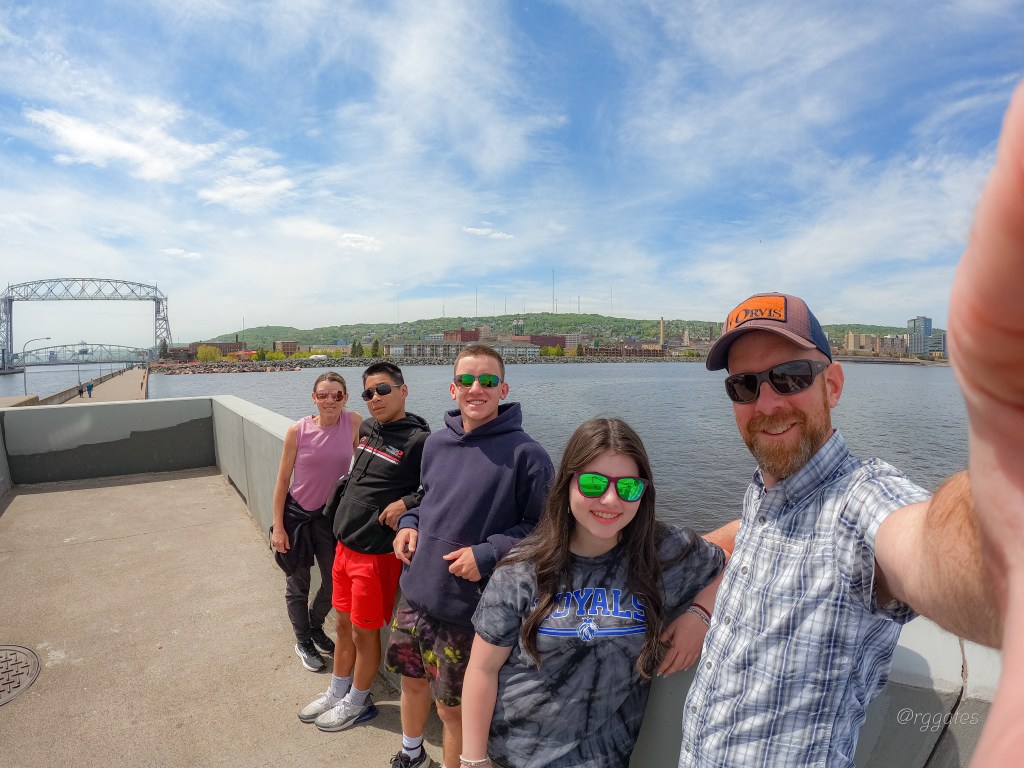
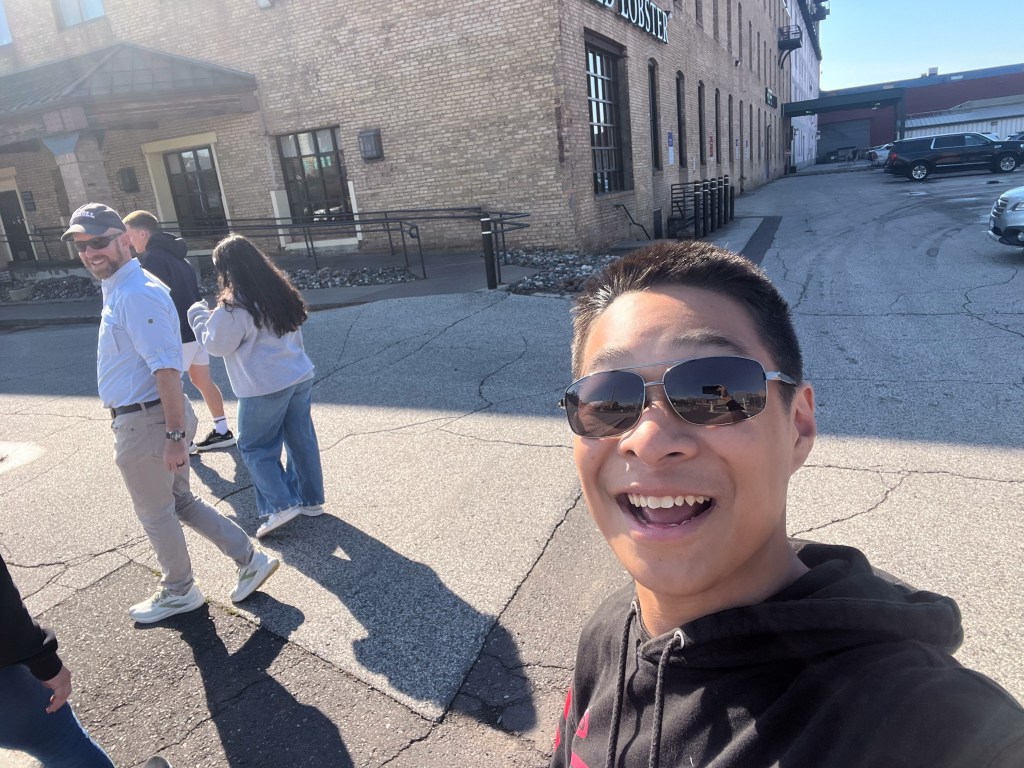
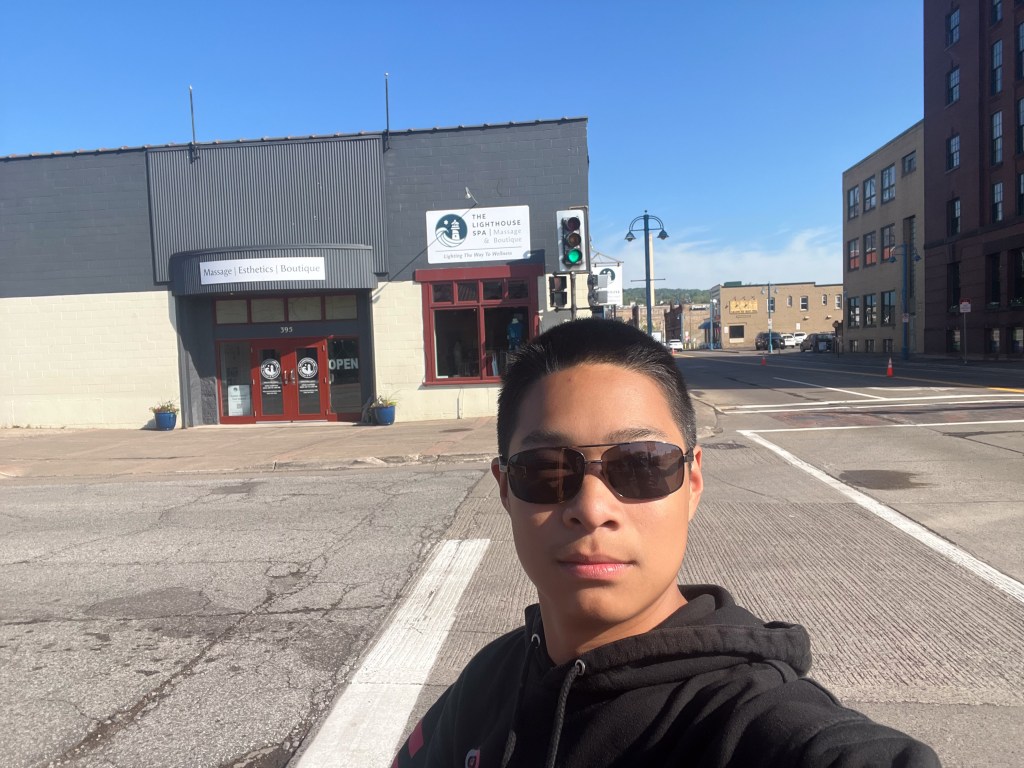
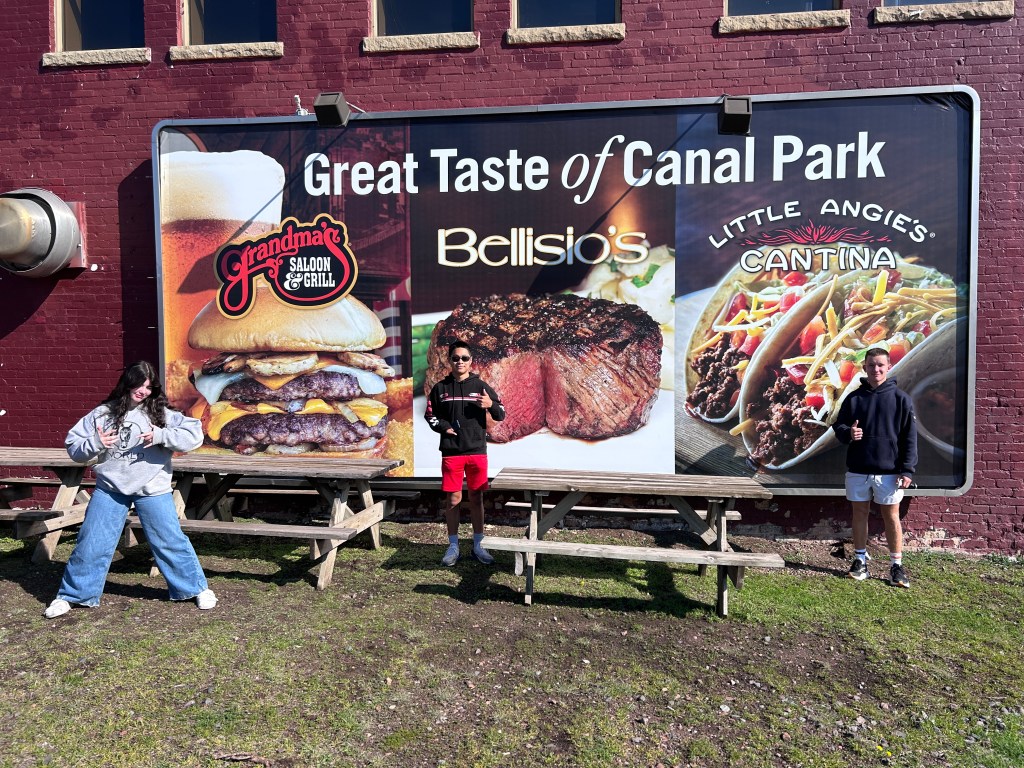
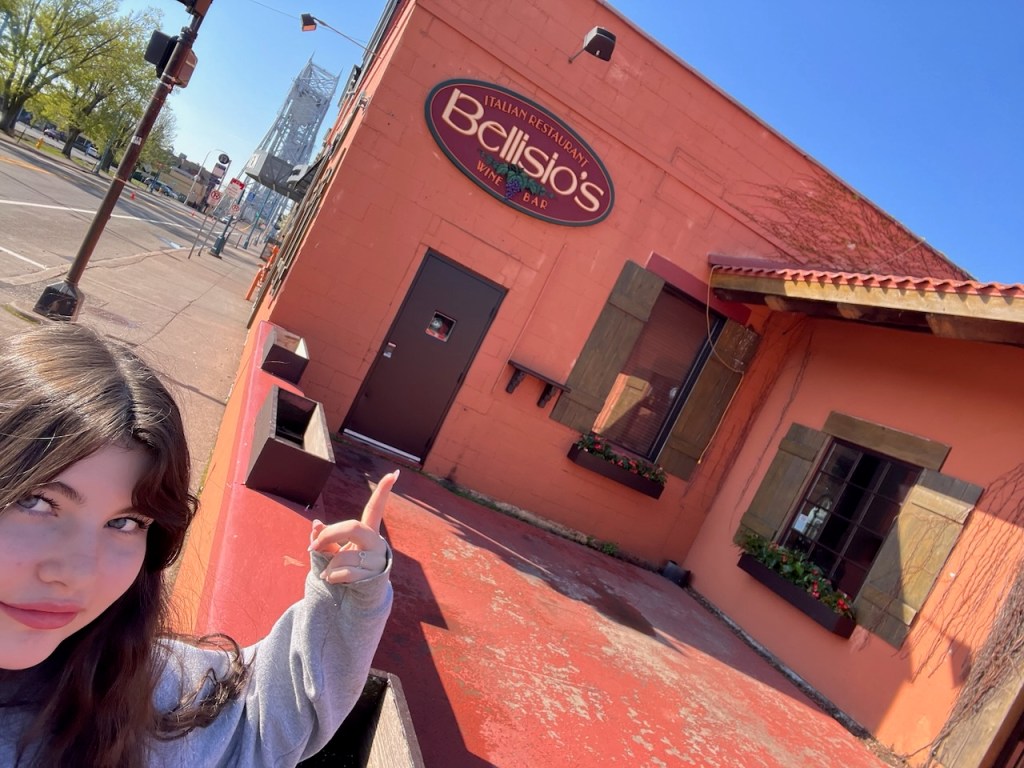
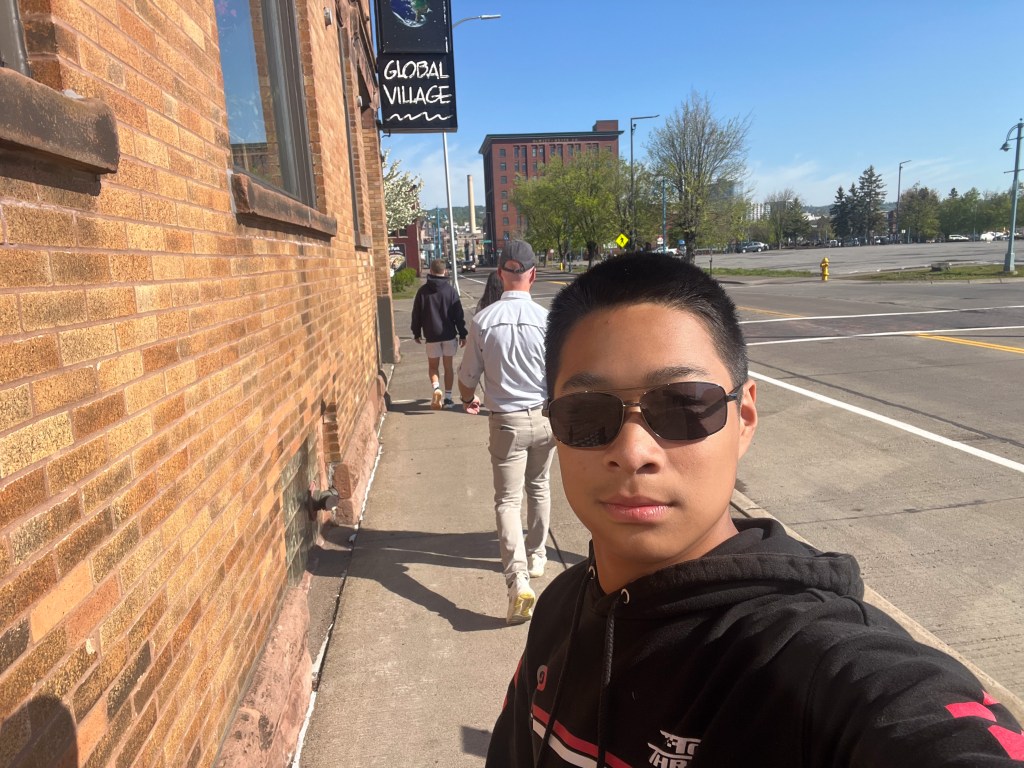
The city of Duluth has done a wonderful job with their Lake Walk boardwalk, and the place is so clean, safe, and inviting to tourists such as us. We walked miles visiting shops, museums, and restaurants.
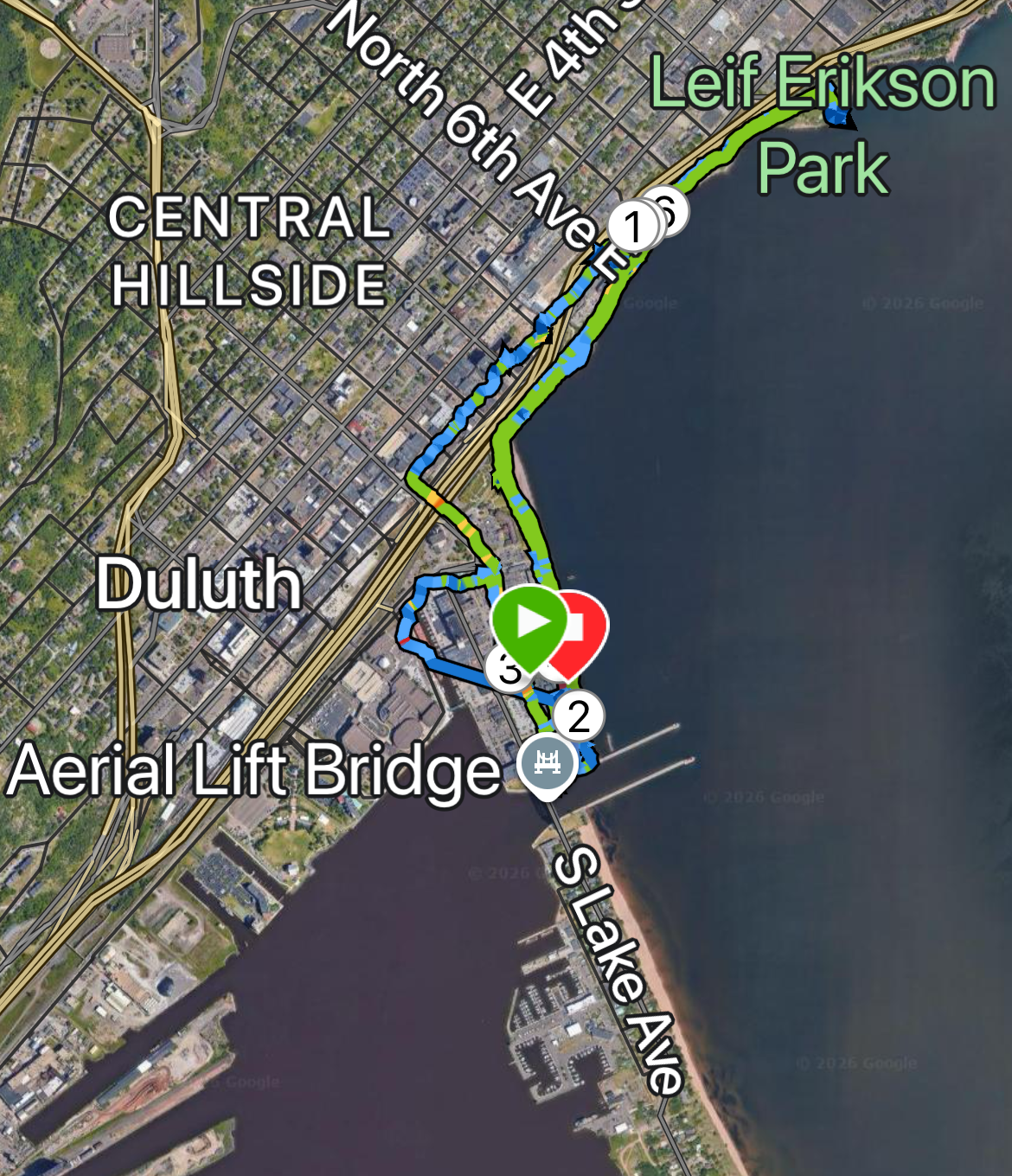
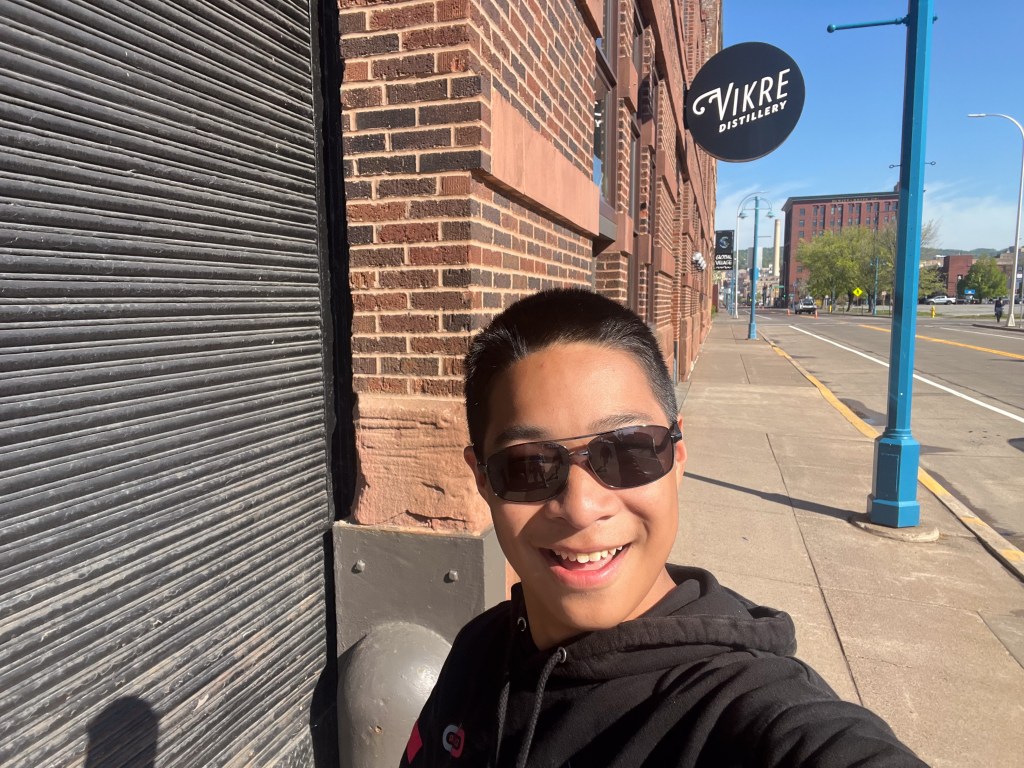

There’s the Army Corps of Engineers Maritime Museum, officially called Lake Superior Maritime Visitor Center Museum, with free admission, detailing the history of the Corps and the vital work they do both domestically and abroad, and both militarily and civilly.
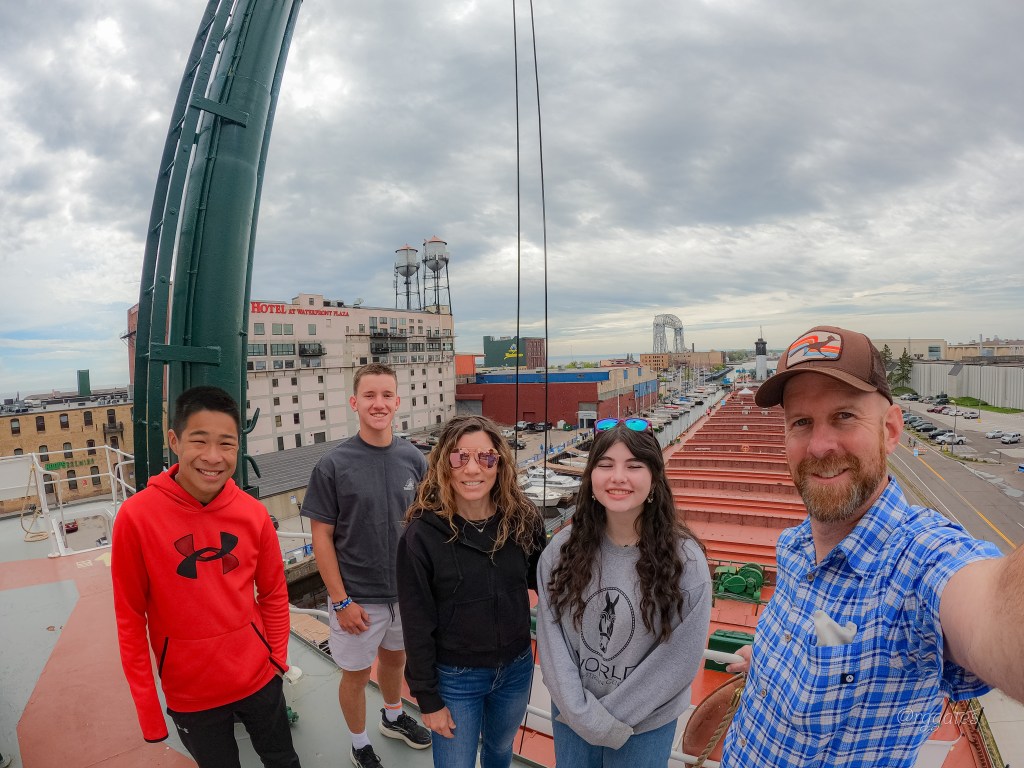
There’s the USS William A. Irvin, a retired cargo ship in the harbor, owned and operated by the Duluth Convention Center, giving a look behind the curtain into the world of industrial shipping on the Great Lakes.
There’s the Great Lakes Aquarium, focusing more on freshwater marine life than saltwater.
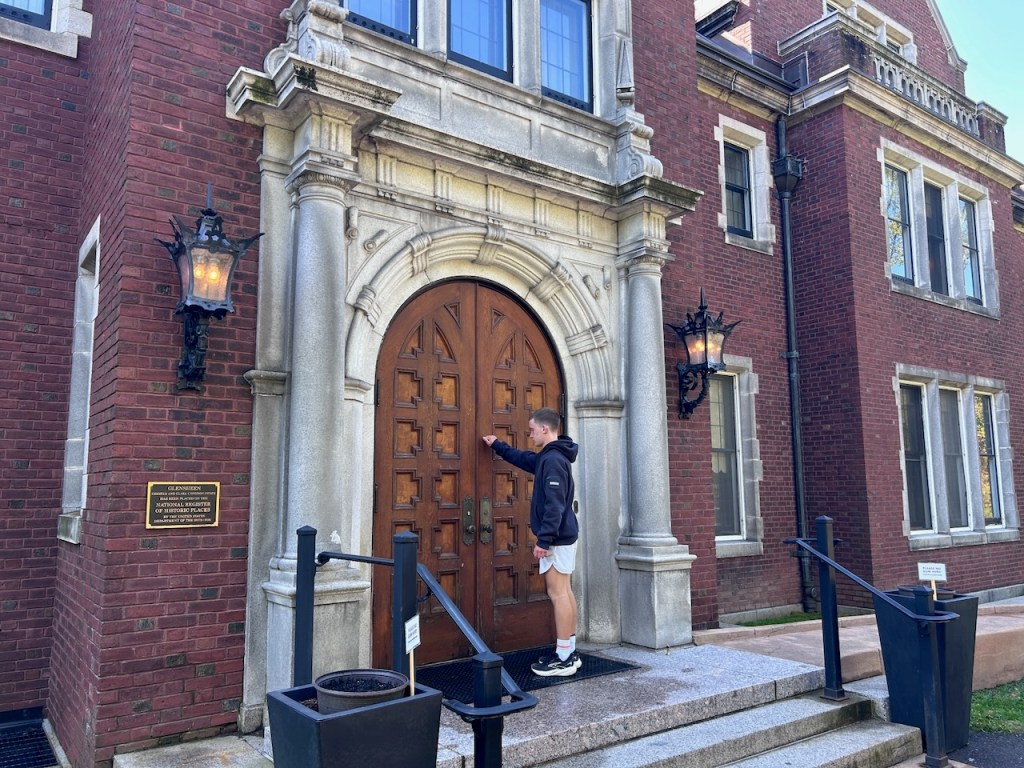
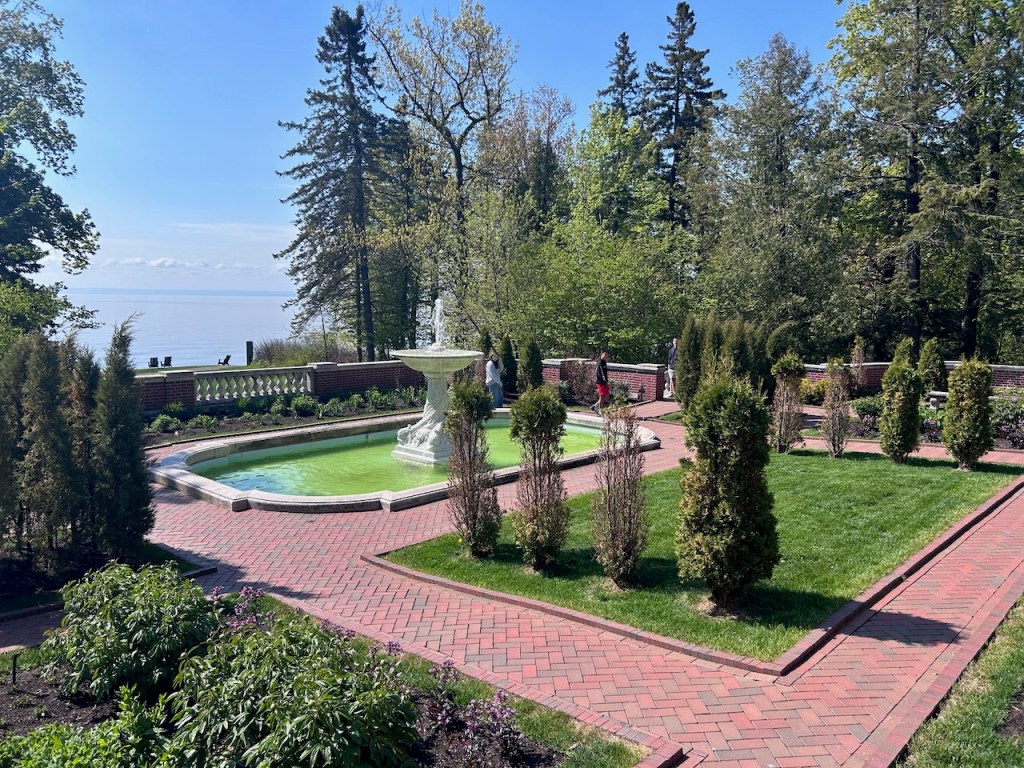
And a couple of miles north of the city is the Glensheen Mansion, showcasing some of the wealth of the area through the home of a successful mine’s lawyer. (For our Ohio readers, think Stan Hywet Hall.)
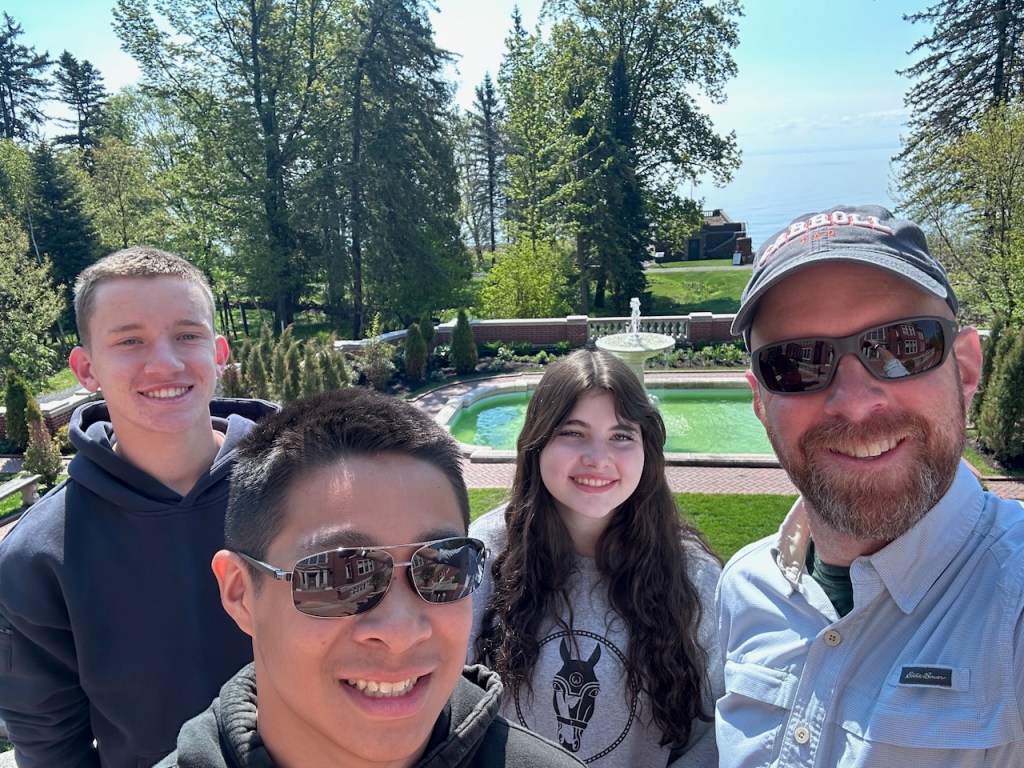
Also, as the kids grow, they’re thinking more about the process of travel, the logistics of getting through an airport without Mom & Dad. Jenn especially works to impress upon them the process of timing travel, the importance of working backwards with time regarding when to arrive at the airport, factoring in time to gas up the rental car, make sure they have enough food in their bellies before a long flight where restaurants will be closed at our destination, etc., etc. These really are learning opportunities in addition to sight-seeing and pleasure trips. I think they’re gettin it!
After we saw all we could in Duluth, we returned to Minneapolis and left for Anchorage, Alaska.
 Gates50States
Leave a comment